
Can You Carbon Date It?
The Dating Detective
Welcome, Archaeologist!
We've made an exciting discovery, and we need your help!
Our archaeological team has uncovered mysterious objects buried beneath the ground. Some might be hundreds or even thousands of years old.
But how can we find out how old they are?
That's where you come in.
Your mission is to help our team decide which discoveries can be investigated using a scientific technique called radiocarbon dating.
Archaeological excavation, Grund, Luxembourg. Paul Braun, CC0, via Wikimedia Commons.
Stage 2 · A Mystery of Time
How Old Is It?
Archaeologists find all sorts of things buried underground.
Some objects are made from stone. Others come from plants or animals.
But how do we work out how old they are?
One important clue is what an object is made from.
Let's investigate!
Select each discovery to examine it.
Select an object to open your first field observation.
Excellent observations!
These objects are all archaeological discoveries, but they're made from very different materials. That's important because one of the tools archaeologists use to investigate the past relies on a special kind of carbon.
Stage 3 · The Carbon-14 Clock
A Clock Hidden in Nature
Did you know that every living thing contains carbon?
Some of that carbon is a special kind called carbon-14.
Plants take in carbon from their surroundings. Animals get carbon by eating plants or other animals.
As long as something is alive, it continues taking in carbon.
Living organism — taking in carbon
Stage 3 · The Carbon-14 Clock
The Clock Keeps Ticking
When a living thing dies, it stops taking in new carbon.
The carbon-14 already inside it continues to disappear, little by little.
Scientists can measure how much carbon-14 remains to help estimate how long ago it died.
That's radiocarbon dating!
Try it! Move the slider to see how much Carbon-14 remains as time passes.
More carbon-14 remaining usually means less time has passed since the organism died. Less carbon-14 remaining usually means more time has passed.
This is a simplified scientific model. Real radiocarbon dates involve careful sampling, measurement, and calibration.
Stage 4
Your First Discovery
Our team has found two objects.
Remember: radiocarbon dating works with carbon from things that were once alive.
Which of these discoveries could we radiocarbon date?
Select the object you would send to the lab.
You're Ready!
Great work, Archaeologist!
You're ready to investigate the discoveries from our excavation.
Remember to think carefully about what each object is made from. And be careful — some discoveries are trickier than they look!
Stage 5 · The Dating Detective
The First Discoveries
Our team has collected five discoveries from the excavation.
Some came from living organisms. Others were made from materials that were never alive.
Your job is to decide which discoveries we should send to the radiocarbon laboratory.
Ready, Archaeologist?
The Dating Detective
Examine each discovery
Discoveries investigated: 0 / 9
Round 2 · Archaeological Mysteries
Things Are Getting Trickier!
Excellent work, Archaeologist!
You've investigated five discoveries and helped our team identify promising materials for the laboratory.
But archaeological discoveries aren't always straightforward. Sometimes even objects that came from living things can be difficult to date.
Let's investigate four more mysterious discoveries!
Stage 6
Your Laboratory Report
Excellent work, Archaeologist!
You've examined nine archaeological discoveries and helped our team decide which materials might be suitable for radiocarbon dating.
Let's see what we've discovered!
Sent to the Laboratory
Investigated Using Other Methods
What did we learn?
- Material matters.Radiocarbon dating works by measuring carbon-14 in suitable materials, especially those that came from living organisms.
- Every method has limits.Even when something was once alive, it might be too old or too poorly preserved for radiocarbon dating.
- Archaeologists use many kinds of evidence.When radiocarbon dating isn't possible, archaeologists use archaeological context and other scientific methods to investigate the past.
Final question
One Final Mystery
During your excavation, you discover a stone tool and a piece of charcoal buried in the same archaeological layer.
You know that you cannot radiocarbon date the stone tool itself.
But could dating the charcoal help you investigate when the tool might have been used?
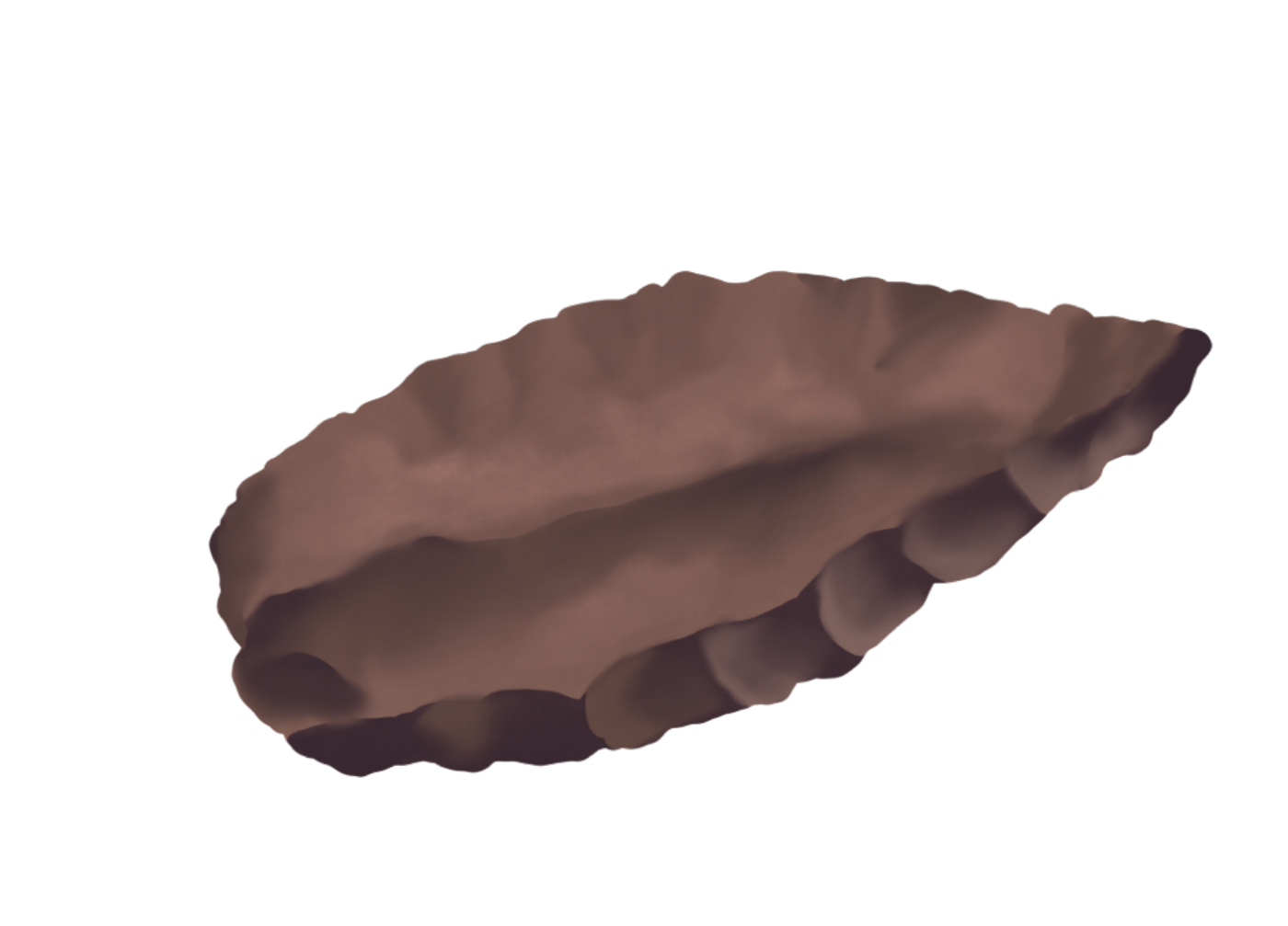
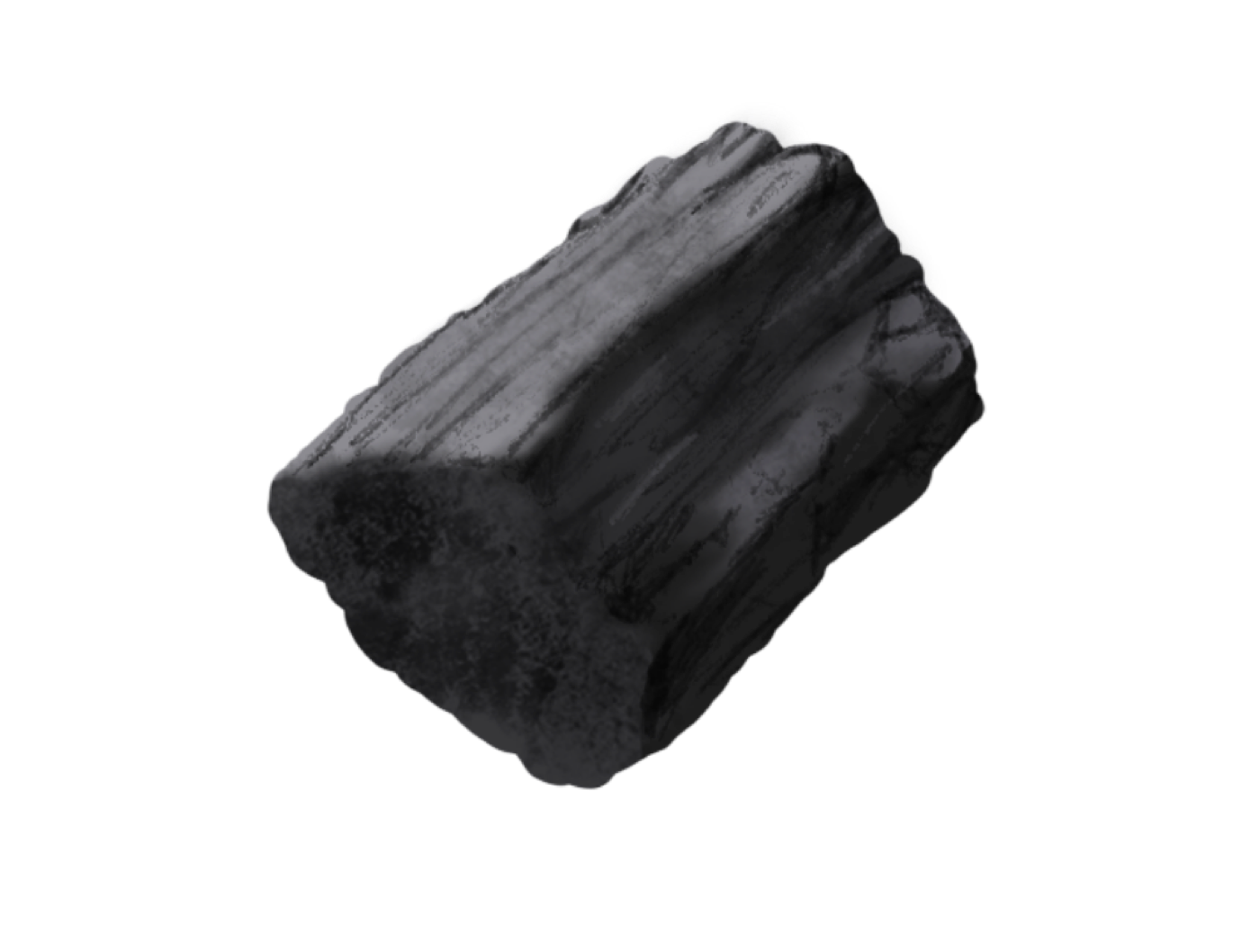
Archaeologists don't just study individual objects. They also investigate where objects were found and how they relate to the evidence around them.
That's what makes archaeology so fascinating!
Stage 7
Mission Complete!
Congratulations, Archaeologist!
You've completed your first radiocarbon dating investigation!
You've learned how scientists use carbon-14 to study the past, identified materials suitable for dating, and discovered why some archaeological objects require different methods.
Archaeology isn't just about finding answers. It's about asking good questions!
Mnemosyne Kids